
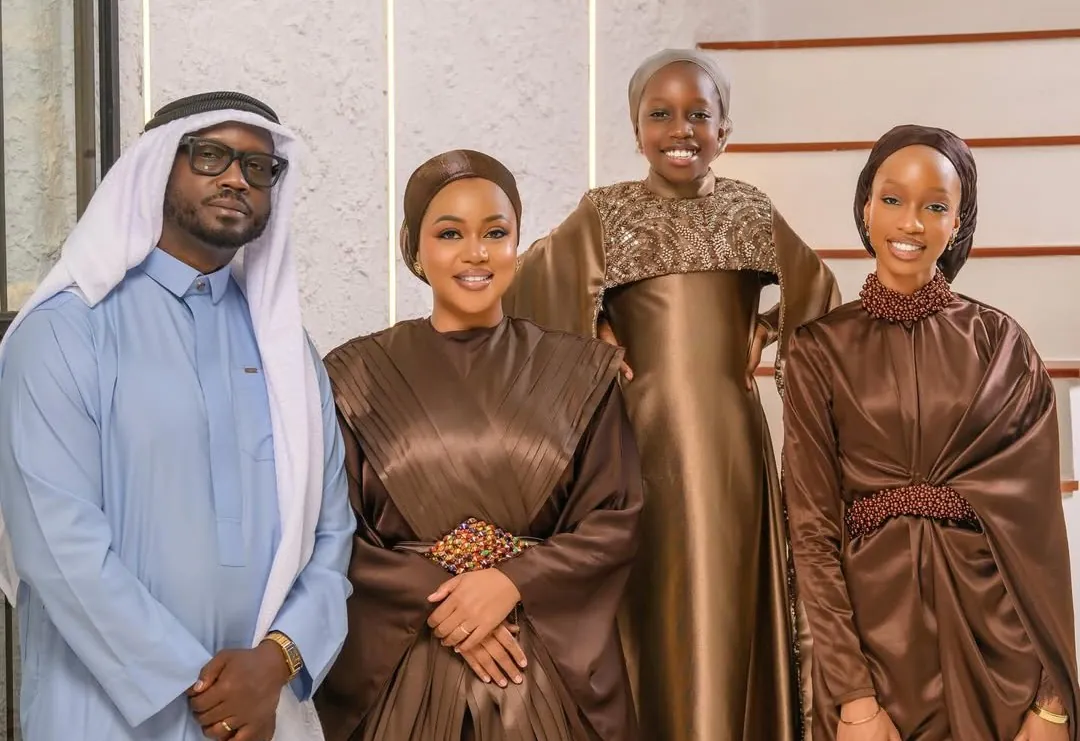
Bebe Cool Explains ‘Bebe Cool Theory’ on Marriage and Family Planning

Bebe Cool explained that having children back-to-back allowed them to raise their family within a shorter timeframe, enabling them to later enjoy life without the constant responsibilities that come with newborns.
Veteran Ugandan musician Bebe Cool has sparked conversation after openning up about his personal approach to marriage, which he refers to as the “Bebe Cool Theory,” and how it shaped his relationship with wife Zuena Kirema.
Speaking candidly, the Gagamel International boss revealed that he deliberately ensured Zuena was either pregnant or breastfeeding during the early years of their marriage.
According to him, this approach was aimed at building a strong family foundation while maintaining his wife’s physical well-being.
Bebe Cool explained that having children back-to-back allowed them to raise their family within a shorter timeframe, enabling them to later enjoy life without the constant responsibilities that come with newborns.
“To keep a woman, you have to use a Bebe Cool Theory that has her either pregnant or breastfeeding. You get her at a young age… she gives birth when she still has the energy. The body doesn’t get damaged as fast,” he said.
He further noted that raising children close in age makes parenting more manageable, as they progress through school stages together—from nursery to higher levels—reducing the challenges of juggling different age groups at once.
The singer and Zuena Kirema remain one of Uganda’s most enduring celebrity couples. The two met over two decades ago, on September 12, 2003, and later formalized their union in a civil wedding at Crane Chambers in Kampala.
Together, they have six children, including Bebe Cool’s firstborn son, Allan Hendrick Ssali. Their long-standing relationship continues to draw public interest, with fans often looking to them as a model of longevity in Uganda’s entertainment industry.
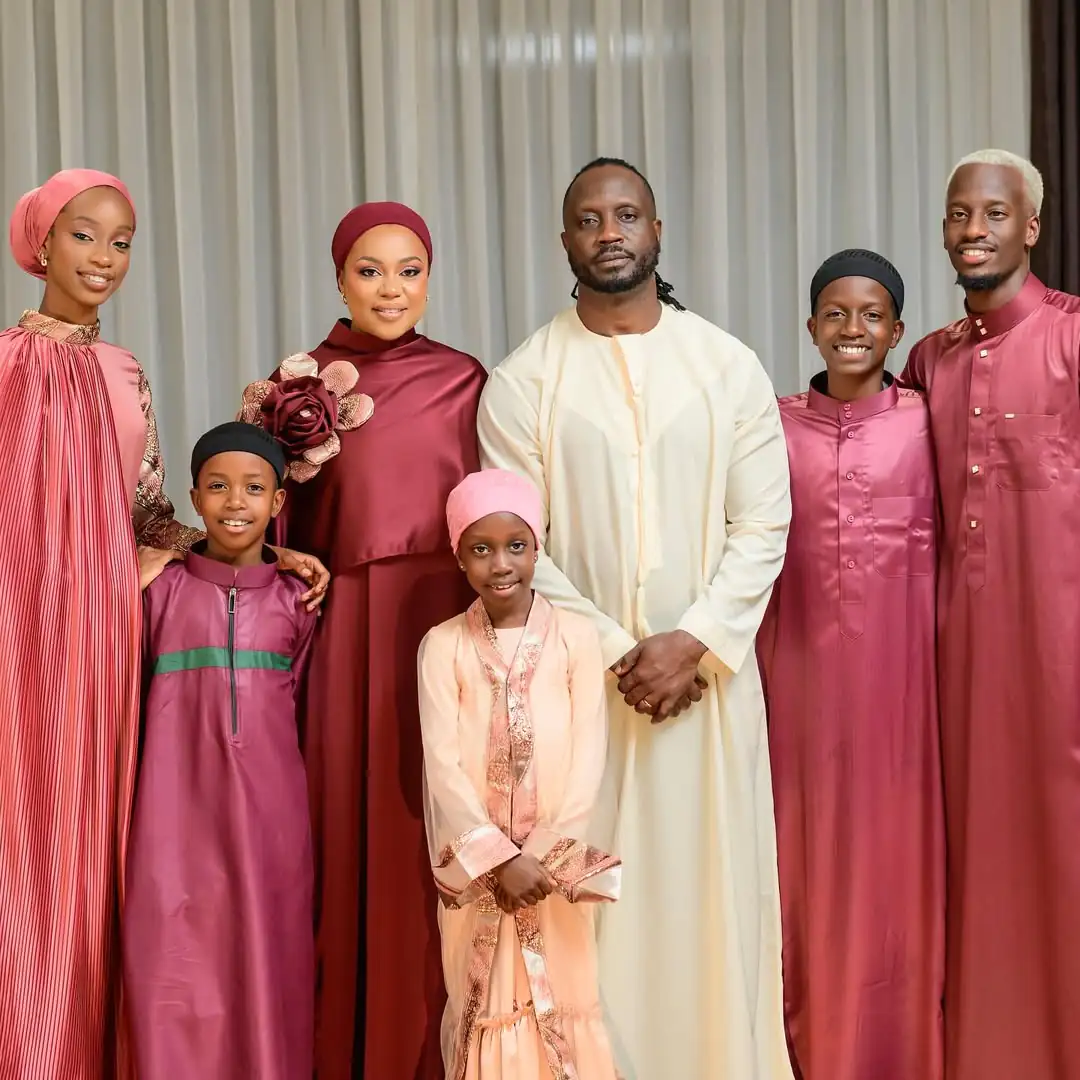
Bebe Cool’s remarks, however, have stirred mixed reactions online, with some praising his openness about family planning, while others question the implications of his so-called “theory” on modern relationships and women’s autonomy.